Parchment vs Wax vs Greaseproof Paper: Heat, Release and Where Each Belongs
By the team at The Parchment Paper ·
Three papers share the same shelf in most kitchens, and two of them should never see an oven. This guide sets out what each one is made of, how hot it goes, whether food lets go of it and where it earns its place.
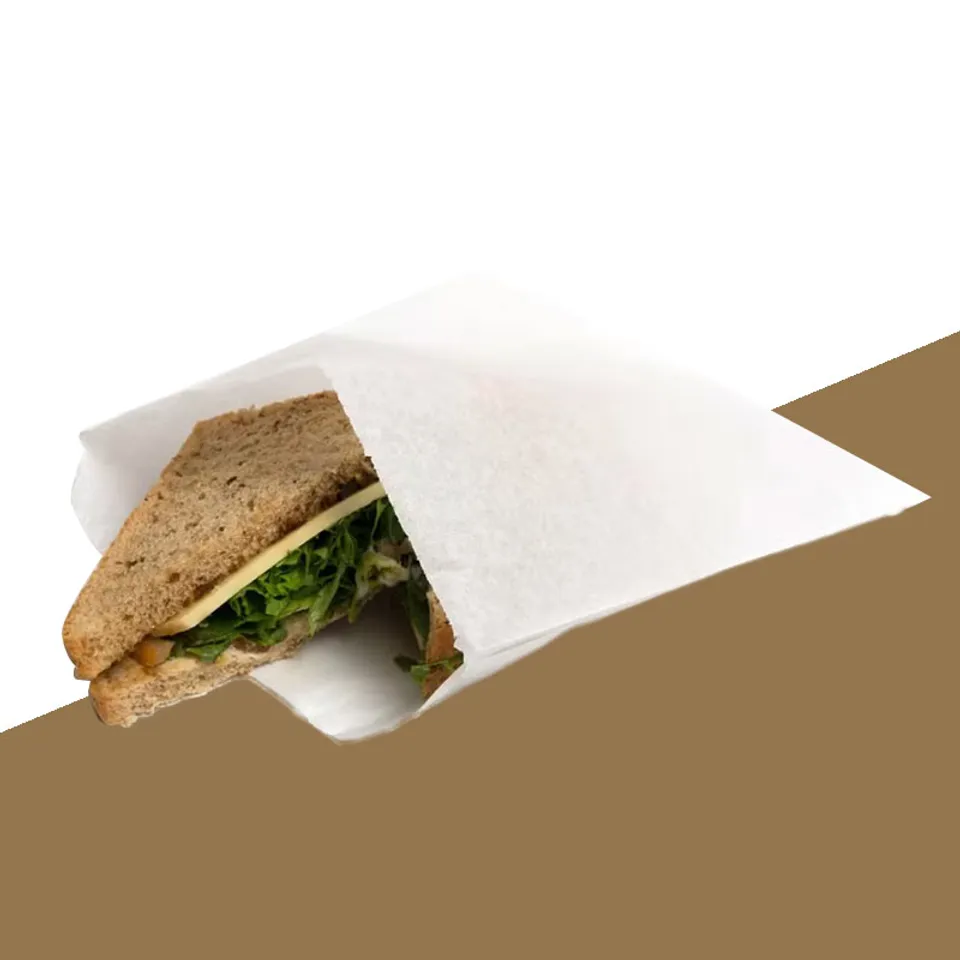
Need a price? Pick a parchment and a quantity; a written quote comes back within one business day.
What is the difference between parchment, wax and greaseproof paper?
Parchment is a dense paper that has been coated so food lets go of it. The coating is silicone on one or both sides, or Quilon, and it is what turns a plain sheet into a pan liner.
Wax paper is a thinner sheet soaked or coated in paraffin or a dry wax. The wax is the barrier; the paper under it is ordinary.
Greaseproof paper is a dense, uncoated sheet. The fibers are beaten so tightly that oil struggles to pass through, which is the whole trick. Nothing is added on top.
The three get confused because they all come in rolls and boxes of similar sizes and all keep grease off a surface. They do it in three different ways, and the way decides where each one belongs.
How hot can each paper go?
Parchment goes into the oven. Silicone-coated sheets are rated to about 450°F in most trade specs; Quilon-coated and unbleached sheets to about 420°F. Those are typical figures, so keep a margin.
Wax paper melts. Paraffin starts to soften somewhere between 140°F and 180°F, which is a warm plate, not an oven. Put a wax sheet under cookies at 350°F and the wax runs into the dough and the paper smokes.
Greaseproof paper tolerates the oven. The sheet itself does not melt or coat the food, and it will sit under a pie or a tray bake. What it will not do is let the food go afterward.
The limit that matters most in a working kitchen is the wax one. A sheet that is fine at the sandwich station is a hazard at the oven door, and it is the same roll.
Which paper releases food cleanly?
Release is the second difference, and it is the one that costs money when it goes wrong. A tray of macarons stuck to the liner is a tray thrown out.
Parchment releases because of the coating. Silicone lifts off caramel, cheese and sugar work; Quilon handles bread, pastry and most trays. Both come off the bottom of a cookie without tearing.
Wax paper releases cold food well. Fudge, cheese slices and dough rounds peel off it. Heat it and the wax becomes part of the problem.
Greaseproof paper has no release at all. The dense sheet stops oil, but a baked crumb bonds to it, so it works as a wrap or a basket liner and not as a baking liner.
| Paper | What stops the grease | Oven | Release | Belongs |
|---|---|---|---|---|
| Parchment | Silicone or Quilon coating | Yes, to 420–450°F typical | Clean, hot or cold | Sheet pans, cake pans, pouches, hot wraps |
| Wax paper | Paraffin or dry wax | No, melts above about 140–180°F | Cold food only | Deli counters, cold wraps, candy, layering |
| Greaseproof | Dense beaten fibers, no coating | Tolerates it, no release | None | Sandwich wraps, basket liners, bags |
Where does wax paper belong?
Wax paper belongs anywhere the food is cold or barely warm. Deli counters tear it to wrap cold cuts and cheese. Candy makers set fudge and caramels on it. Bakeries slip it between layers of cookies in a box.
It also makes a good dough surface. Rolling pie crust between two wax sheets keeps the counter clean and the dough off the pin.
Keep it away from the oven, the salamander and the hot holding cabinet. A wax wrap around a sandwich that goes under a heat lamp will soften within minutes.
If a wrap has to meet heat at any point, from a warm panini to a reheated burrito, that is a parchment job. Printed sandwich parchment for hot wraps folds the same way and does not melt.
Where does greaseproof paper belong?
Greaseproof paper belongs in the hand, not the pan. Fries in a basket, a burger in a wrap, pastries in a bag. The dense sheet keeps the oil off the basket and the customer.
It folds crisply, and many sandwich shops use it for a pure cold wrap job and nothing else.
It falls down when it is asked to bake. A greaseproof sheet under a batch of cookies will tolerate the heat and then hold onto the cookie bottoms. The sheet tears, the cookie loses its base and the liner is a loss.
It also falls down when the food is wet. A sauced sandwich left in a greaseproof wrap for twenty minutes will start to show through, because the barrier is fiber density, not a coating.
Cookies, sandwiches, cheese, pizza boxes, display cases: which paper for each?
Here is how we would line up the common jobs. The order runs from the hottest to the coldest.
- Cookies and sheet-pan bakes: parchment. Silicone-coated for sugar-heavy doughs and anything above 420°F, Quilon for bread and everyday trays.
- Hot sandwiches and burgers: parchment. It takes the heat of the filling, folds around the bun and keeps the ink away from the food because we print the outside face.
- Pizza boxes: parchment or greaseproof as a box liner. The pizza is hot and oily but does not need release, so both work; parchment is the safer pick if the box goes into a warmer.
- Display cases and counter trays: bleached white parchment. It stays flat, shows the pastry and wipes down between trays.
- Cheese at the deli counter: wax paper for cold cuts and wedges that go straight into the bag, parchment for cheese that will be heated or that sits in a case for a day.
- Candy and fudge: wax paper to set on, parchment to bake on.
If one paper has to cover more than one of these jobs, pick parchment. It handles every cold job on the list and the hot ones too, which wax and greaseproof cannot say. Pre-cut parchment sheets for sheet pans are the usual starting point.
Can you print a logo on all three?
We print parchment, and we print it on the side that faces away from the food. Food-safe soy and water-based inks, one to four colors, with Pantone solid-coated matches when a brand color has to hold.
One color on unbleached parchment is the cleanest look for a wrap. The kraft tone does half the work and the logo sits in it. Two colors on kraft often go muddy; two or more read better on bleached white.
Wax and greaseproof sheets are printed by other suppliers, and the ink sits on a surface that behaves differently. If you want a printed wrap that also survives a warm hold, parchment is the sheet to spec.
A printed wrap doubles as the bag, the napkin and the label on a food truck. One sheet, one logo, folded once. The guide to printing a logo on parchment covers artwork, layouts and the proof.
Mistakes kitchens make when swapping one paper for another
Most of the trouble comes from a single roll being used for every job because it was the one on the shelf.
- Wax paper under a tray bake. The wax melts into the base and the paper smokes at the edges.
- Greaseproof paper as a cookie liner. The sheet survives the oven but the cookies do not come off it in one piece.
- Parchment left in a hot holding cabinet for hours with nothing on it. The sheet browns, goes brittle and cracks at the fold.
- Any of the three under a broiler or on a grill grate. Only coated parchment is oven-safe, and none of them is flame-safe.
- A cold-counter wax wrap carried over to the panini press at lunch. The wrap should change with the station.
- Buying one width for everything. A 12 × 12 in wrap square does not line a half sheet pan, and a 12 × 16 in sheet is a wasteful wrap.
A cheap fix is to label the shelf. One box marked oven, one marked counter, and the swaps stop.
Which stock and coating should you order?
For a bakery that bakes, the answer is parchment in two stocks: silicone-coated sheets for the hot line and unbleached rounds or squares where the paper shows. Bleached white parchment is the pick for display trays and anything that needs a clean photo.
For a sandwich shop or a food truck, order printed parchment squares sized to the item. 12 × 12 in is the usual pick for a sandwich, 10 × 10 in for a slider or a burger.
For a deli, keep wax paper for the cold counter and parchment for anything that leaves the counter warm. Two rolls, two labels.
How do I order parchment for the jobs above?
Send the job, the pan or item size and a rough count. Minimum order is 1,000 sheets, squares or rounds, or one roll. The written quote lands in your inbox inside one business day.
Printed jobs get a free design proof before anything prints, with unlimited edits at that stage. Production takes 4 to 6 business days after you approve the proof, then free tracked delivery to any US address in 2 to 3 business days.
Payment is by invoice once you approve the quote and the proof. If you are not sure which paper a job needs, describe the food and the temperature on the parchment quote request form and we will pick with you.
Parchment mentioned in this guide
Questions about this guide
Can wax paper go in the oven in place of parchment?
No. Wax starts to soften at about 140°F to 180°F, so it melts into the food and smokes long before a bake is done. Use parchment for anything that meets oven heat.
Is greaseproof paper the same thing as parchment paper?
No. Greaseproof is a dense uncoated sheet that resists oil but does not release food. Parchment has a silicone or Quilon coating, which is why baked goods lift off it.
Which of the three papers should line a pizza box?
Parchment or greaseproof both work as a box liner, since a pizza needs an oil barrier and not release. Parchment is the safer choice when the box sits in a warmer.
Can I wrap a hot sandwich in wax paper if parchment runs out?
Not for long. The filling heat softens the wax within minutes and it transfers to the bread. Parchment squares take the heat and fold the same way.
Does greaseproof paper release cookies like parchment does?
No. Greaseproof survives the oven but the cookie bottoms bond to it. Parchment with a silicone or Quilon coating lets them go clean.
Why does wax paper smoke in the oven?
The paraffin coating melts and then scorches once the sheet passes a few hundred degrees. The thin paper under it dries out and browns at the same time.
Which paper should a deli use between cheese slices?
Wax paper, as long as the cheese stays cold. For cheese that will be melted or warmed, interleave with parchment instead so nothing transfers.
Can parchment replace wax paper on a cold counter?
Yes. Parchment releases cold food as well as wax paper does and goes into the oven afterward. The only reason to keep wax is that it is already on the shelf.
Which paper suits a display case tray that sits under lights all day?
Bleached white parchment. It lies flat, stays bright under the lights and wipes down. Wax paper can soften under warm display lamps and greaseproof shows oil spots.
Why is parchment made differently from wax or greaseproof paper?
Parchment starts as a dense sheet and gets a silicone or Quilon coating, which is what gives it both the heat rating and the release. Wax and greaseproof skip that coating, so each does only part of the job.
Something else? Ask us on WhatsApp or call (503) 461-4788.
Tell us what you bake or wrap
Send the parchment, a size and a quantity, plus a logo if you have one. We reply in writing within one business day with a price and a free design proof. Prefer to talk? Call (503) 461-4788 or message us on WhatsApp.